


Plastic pollution is a real and immediate threat to the earth. It never degrades. It only breaks into smaller pieces (micro-plastic) and causes further harm to the environment and living beings.
The plastic menace can be easily fixed if each of you are conscious of your actions, reduce or avoid single-use plastic, and dispose the waste properly.
Now that you know everything you need to know about single-use plastic, it’s time to get to the next part.
How can you reduce or avoid single-use plastic?
What are the possible replacements?
Before that, let’s look at the breakdown of plastic waste generated in India.

Snacks and confectionary
Snacks and confectionary packaging create the most amount of single-use plastic waste in India. There is no cost-effective and immediate solution to this. One way you can reduce this category of waste is by buying more locally made products.
Go to the nearby bakery, buy snacks that are sold loose, get them in paper covers or containers that you carry. It may sound like too much work, but it will help our country reduce plastic waste.
Bottle caps and lids
We all have experienced situations where we misplace the bottles/containers and their caps/lids. We keep them away hoping to get the missing part soon. Eventually, we throw all those caps and lids away.
These caps and lids are the second largest contributor to single-use plastic waste in India.
It helps if you can avoid ordering food in plastic containers. Bring your own containers for takeaway food. You could also push your favourite restaurants or food delivery apps to adopt sustainable packaging.
PET bottles
Plastic bottles made of polyethylene terephthalate (PET) are used to package water, oils, aerated drinks, and shampoos. These are things we can avoid without much effort.
Carry a glass/steel/copper water bottle wherever you go; refill them at restaurants or public water dispensers.
Cooking oils are often sold loose at your local grocery. Get your own bottle and fill it with oil.
There are many cheap and effective alternatives to shampoo that cause less harm to the environment. Soapberry, dried gooseberry (amla), green gram powder, and hibiscus are things our ancestors have regularly used. Maybe it’s time to go back to the past.
Garbage bags
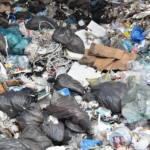
The bags we use to dispose of waste are creating even more garbage. You can’t use paper bags to line the waste bin because it can’t hold kitchen waste. But 100% biodegradable garbage bags are available in the market these days. They are economical as well.
Packaging
Thermocol, styrofoam, air cushion, and even the bubble wrap we love bursting are single-use plastic. Companies like Flipkart and Amazon are trying to reduce and reuse packaging, and eventually, replace them with eco-friendly options. Let’s ask other brands to follow this path.
Carry bags
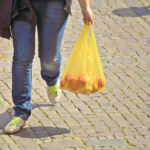
Low quality plastic carry bag is one of the first products that led to the plastic revolution. The government has been trying to remove these altogether. A little effort from us would go a long way.
Carry a cloth or jute bag with you when going out. Buy groceries in these bags.
Straws
Though it may seem like a trivial product, plastic straws alone compose 7% single-use plastic waste generated in our country. However, this is a product that can be easily avoided without even trying.
Every time you buy a drink, tell the shopkeeper or waiter that you don’t need a straw. If a straw is absolutely necessary for you, carry a bamboo or steel straw with you.
Others
Plastic spoons, forks, knives, and stirrers are things that can be avoided if you put your mind to it. Use either matchboxes or refillable lighters instead of disposable lighters. Disposable razors can also be replaced with a razor with replaceable blades.
The best way to reduce your dependency on single-use plastic is by being more conscious of your actions. Every time you have plastic in your hand, stop and think for a moment.
How will this plastic affect the environment?
Is this an absolute necessity for me?
Is there any other eco-friendly alternative I can choose?
How can I avoid using this product the next time?
These questions will help you make smarter decisions for our planet. Remember, little drops of water make the ocean. And little efforts of ours save the ocean.


Leave a Reply