


Our city, Bengaluru, has four viable sources of water
- The river Cauvery
- Groundwater
- Existing lakes
- Rainwater
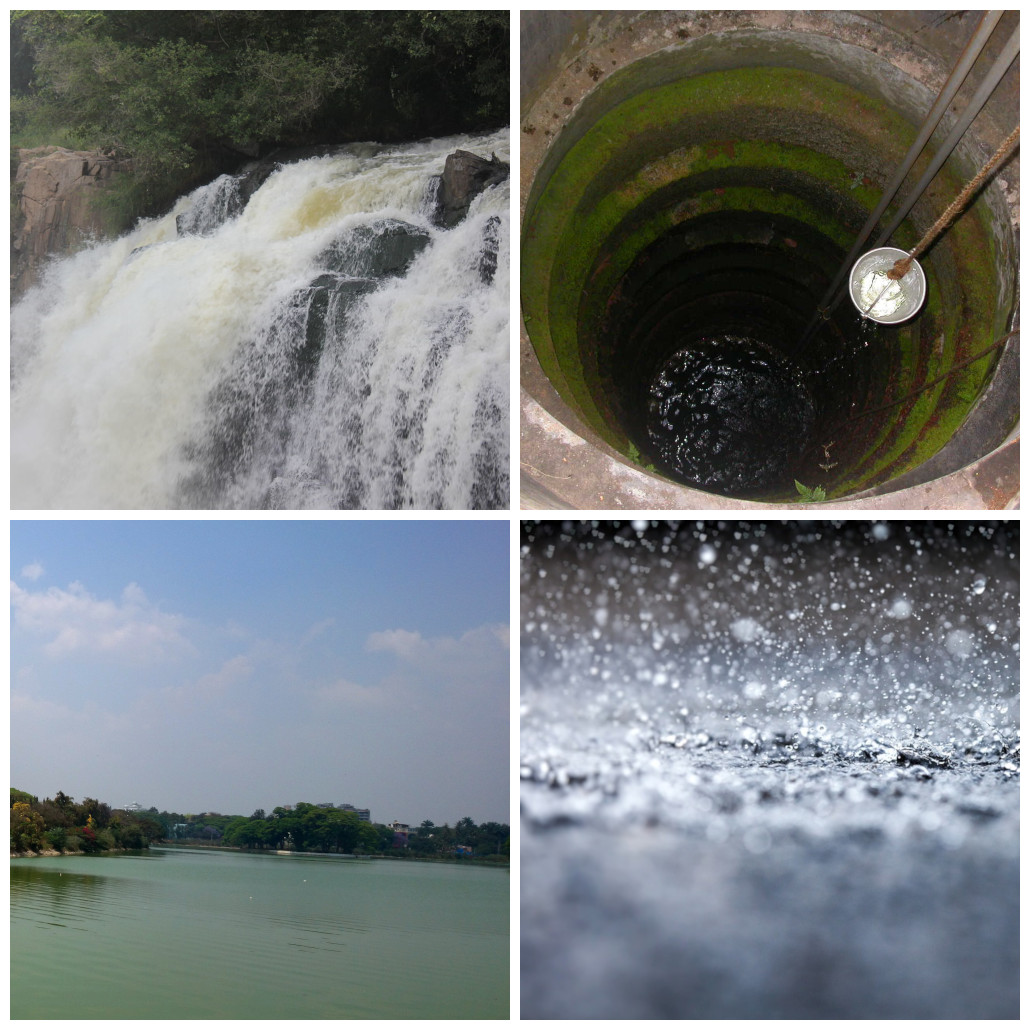 About 1350 million litres of water to the city every day comes from the Cauvery water supply scheme. This serves 8.5 million people in the city. There is still a major shortage of water.
During the 1970s, borewells started becoming popular. Currently, there are about 3.65 lakh registered borewells in the city. With water table falling to over 1,500 feet in some areas, many of the borewells are either running dry or providing undrinkable water. In an attempt to conserve the groundwater table, the BWSSB recently decided to not give permission to dig borewells in the areas where Cauvery water is supplied.
The next alternative is the lakes. A recent study found that only four out of the 105 lakes in Bengaluru were in good condition. The others were either polluted or dried up or encroached.
This leaves us with just one option – rainwater. Would this simple, age-old concept of storing rainwater solve Bengaluru’s water problems?
Harvesting rainwater to quench our thirst
According to experts, Bengaluru can address its water woes and avoid water shortage. This will become possible only if we effectively harvest rainwater. But this requires the cooperation of all the 19 lakh buildings in the city.
The concept of RWH isn’t particularly new. Rainwater harvesting refers to the collection and storage of rainwater. The collected water is stored in reservoirs/tanks or infiltrated into subsurface spaces. Essentially, the idea is to ensure that the water doesn’t run off and go waste.
Some rainwater harvesting techniques
There are three major ways in which rainwater can be collected:
Rooftop Harvesting
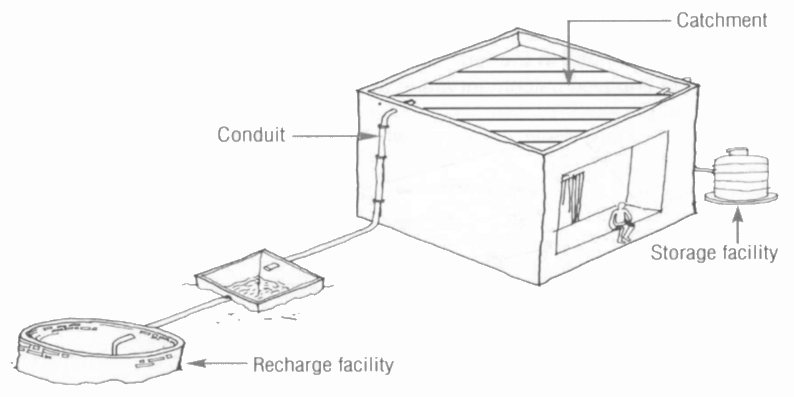
The rainwater that falls on the rooftops flows through gutters and downpipes. One can collect and store this water in an underground storage tank. The water from the tank is good to use for domestic purposes. The excess water can recharge groundwater reserves. Most often, this water is of good quality and used for all domestic purposes. Most buildings are suitable for rooftop harvesting even if the roof is small in size.
Surface Water Harvesting
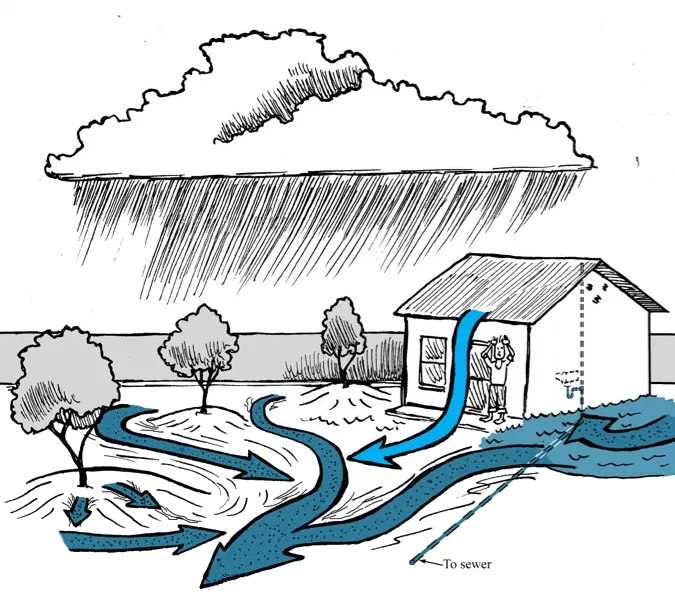
This refers to the use of ponds, reservoirs, lakes and other water bodies to conserve surface water. These water bodies limit run-off after a rainstorm. Again, this water is good to use for day to day needs and also used to boost groundwater reserves.
However, one concern to address here is evaporation. With rising global temperatures, loss from evaporation is bound to increase.
Groundwater Recharge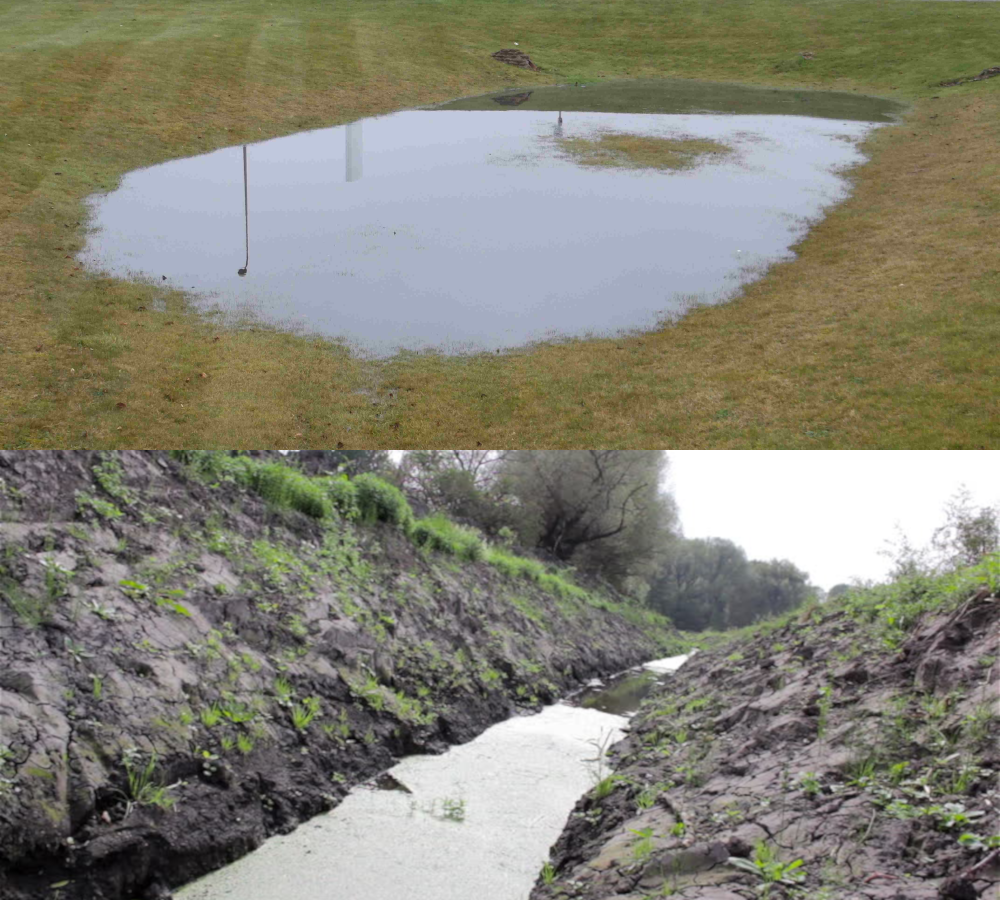
Given the looming water crisis, boosting groundwater reserves needs to be a priority for all Bengalureans. Techniques such as infiltration basins, trenches, and injection wells can help with this. Stricter regulations coupled with education and awareness will also help.
An inspiring case
A R Shivakumar is a scientist at the Karnataka State Council of Science and Technology (KSCST) at Indian Institute of Science (IISc). His house is on a regular 60 X 40 site in Vijaynagar. He has not paid his BWSSB water bill in over 23 years. No, he’s not on any defaulters list of the BWSSB.
Instead, Shivakumar is a champion of effective rainwater harvesting. He has been using rainwater so well for his household needs that he does not even have a piped water connection. He has built two underground sumps and two overhead tanks at his house. These together store 45,000 litres of rainwater. In addition, he uses a greywater recycling system at his home to ensure optimum usage of the collected water.
This is an inspiring story indeed, especially since we’re seeing the news everyday predicting that Bengaluru may run out of water by 2020. To reverse this prophecy, each of us need to take inspiration from people like Shivakumar. Each of us should embrace RWH.
The time is now
This year, the city of Chennai experienced a severe water crisis. It caused severe inconvenience to residents. Several commercial establishments also had to shut shop.
If we want to prevent such a situation in Namma Bengaluru, the time to act is now.
Let’s not live at the cost of our future generations. Let’s be conscious and work together now for a better tomorrow.


Leave a Reply