


The United Nations has declared access to safe drinking water as a basic human right. Yet, 31% of Indians consume unsafe drinking water despite the associated risk of water-borne diseases. Over 100 million people in India are facing water crisis; they are living in areas where water is short or severely polluted.
India has about 63 million people living in rural areas who have no access to clean water. The situation in urban areas isn’t much better either. Groundwater is fast depleting due to indiscriminate digging of borewells. Despite the presence of regulations, rainwater harvesting is not strictly implemented. These regulations exist only on paper, not in spirits.
Some of us get by because we can afford advanced water purifiers or packaged water. Poorer classes are the ones who suffer disproportionate damage.
Indiscreet Water Usage

Despite the fact that we are in the middle of a looming water crisis, there is very little awareness among people. Most people don’t think twice before wasting water for non-essential purposes such as washing cars or floors. There are other ways to carry out these tasks with very little water.
Of course, regulation is important. But the best way to minimise water wastage is to place some self-imposed limits on water usage and stick to them. In the absence of this awareness, mandatory restrictions on water usage may be the only way out.
Here are a few measures to conserve water and insulate ourselves from water shortage.
Personal Measures to save water
Most people tend to underestimate the amount of water they use. If each individual takes active measures to conserve water, this will create a large-scale collective impact.
Smart water metres
Use devices that measure and report water usage in real-time. This makes us more aware and helps in reducing residential water consumption.
Taps and showers
Installing tap aerators in all taps reduces water usage. Replace the taps every few years so that there is no leakage. Use a bucket and a mug to take a bath instead of a shower. Investing in low-flow showers also helps.
Washing machine
Front-loading washing machines tend to be more efficient than top-loading ones; if you are planning to buy a new washing machine, go for the former. A full load of laundry maximises water usage as compared to half load. Skipping the extra rinse cycle also helps reduce water while doing laundry.
Toilets
Replace leaking toilet flushes. You could even install dual piping and use treated water for flushing the toilet.
Harvesting Rainwater
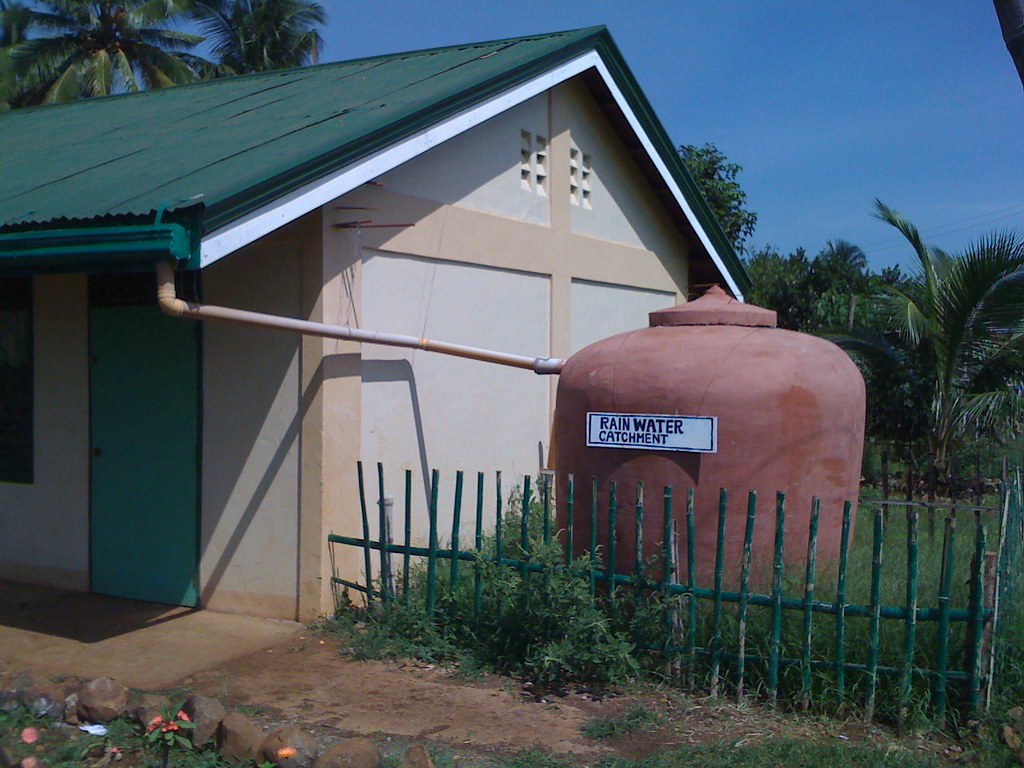
BWSSB has made RWH compulsory from 2009 for all buildings measuring 1,200 sq ft and above (for new buildings) and 2,400 sq ft (for old buildings). Let’s do our part by installing RWH system in our independent houses/apartments. We can also dig open wells to store the rainwater and replenish the groundwater table.
Broader Measures to solve water crisis
At the city/state/country level, we need adequate policies and initiatives that focus on preserving water. Some of these include:
Existing water bodies
Public water bodies like lakes, rivers, and canals should be cleaned regularly. This an important measure to protect the water ecosystem in the city.
New water bodies
Bengaluru had a wonderful network of lakes and tanks as far back as the 16th century. This network of water bodies helped fulfil the city’s water requirements. A lot of these got lost to encroachments as the city grew. But we can always earmark land for creating new water bodies to meet the city’s water requirements.
Implementing rules
There are BWSSB mandates for RWH in Bengaluru buildings. But these are not always followed. The offenders would rather pay the fine than install RWH system. One of the reasons is that the penalty every month is relatively lesser than the one-time investment on RWH. Increasing the fine would make people follow the rules. There should be an efficient method to make sure people follow these regulations. Another reason is the lack of knowledge. The government bodies should allot budget to educate people on the necessity of RWH. This knowledge would push people to be responsible and install RWH system at homes.
Recycling water
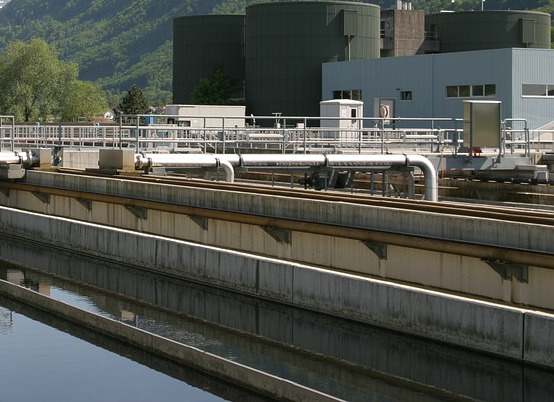
There are several sewage treatment plants (STPs) in Bangalore. But most of them are not operational to desirable levels. We need more STPs, but we should also ensure that the existing plants work effectively.
Water is our most important resource. Therefore, all efforts need to be made to address the water crisis, preserve water, and ensure our very survival.


Leave a Reply